Apple Card still hasn’t expanded outside the U.S., but Chase could change that
 Tom Sykes
Posted On 04/09/2026
Tom Sykes
Posted On 04/09/2026 
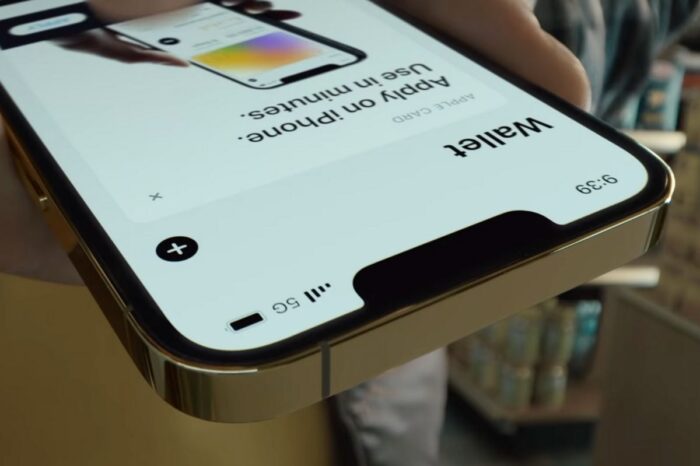
More than seven years after Apple Card made its debut, Apple’s credit card remains available exclusively in the United States, leaving customers in markets including the UK, Canada and Europe still waiting for an international launch.
Apple introduced Apple Card in 2019 with Goldman Sachs as its issuing bank, combining a titanium physical card with deep integration into the Wallet app, Daily Cash rewards and spending tools. Since then, Apple has expanded the product with features including Apple Card Family and Savings, but its geographic reach has remained unchanged.
The Apple Post previously reported on Apple Card remaining restricted to the U.S. years after launch, despite Apple CEO Tim Cook having spoken early in the product’s life about ambitions to eventually take Apple Card to more countries.
One of the biggest obstacles has always been the need for a banking partner. Apple provides the customer-facing experience, but Apple Card is a regulated financial product that requires an issuing bank, making international expansion considerably more complicated than simply enabling another Wallet feature.
That is why Apple’s new relationship with Chase could prove significant.
Apple and Chase announced in January that Chase will replace Goldman Sachs as the issuer of Apple Card, with the transition expected to take approximately 24 months and remaining subject to regulatory approvals. Mastercard will continue to provide the payment network.
The Apple Post reported when Apple confirmed Chase would become the new Apple Card issuer, ending the product’s original banking partnership with Goldman Sachs.
The agreement itself does not include an announcement that Apple Card is expanding internationally. Apple’s current documentation continues to state that Apple Card is available only to qualifying applicants in the United States.
However, Chase gives Apple something its original Apple Card partnership did not offer to the same extent: a banking partner with a substantial international footprint and growing consumer operations outside the U.S.
In the UK, Chase already operates a digital consumer bank, giving JPMorgan Chase direct experience of serving British customers and operating within the country’s regulatory environment. That does not automatically mean Chase could simply introduce the existing U.S. Apple Card in Britain, but it potentially gives Apple a much stronger foundation from which to explore an international version.
There would still be significant challenges. Credit regulations, lending requirements and interchange fees differ between countries, meaning an Apple Card launched in the UK or Europe would not necessarily offer exactly the same rewards or terms as the American version.
Apple may also have to decide which parts of the wider Apple Card ecosystem should travel with it. Daily Cash, Apple Card Monthly Installments and the Savings account all rely on financial arrangements designed around the U.S. market and could require substantial changes elsewhere.
Still, the Chase agreement represents the biggest structural change to Apple Card since its launch. Rather than being tied to Goldman Sachs, Apple will be working with one of the world’s largest financial institutions and a company that has already demonstrated ambitions to grow its consumer banking presence internationally.
For Apple users outside the U.S., that makes the next few years particularly interesting. There is still no confirmed international Apple Card launch, but the move to Chase could give Apple a much more practical route to finally make one happen.