Apple’s revamped Vision Pro project reportedly on ‘life support’
 David Joseppi
Posted On 30/09/2026
David Joseppi
Posted On 30/09/2026 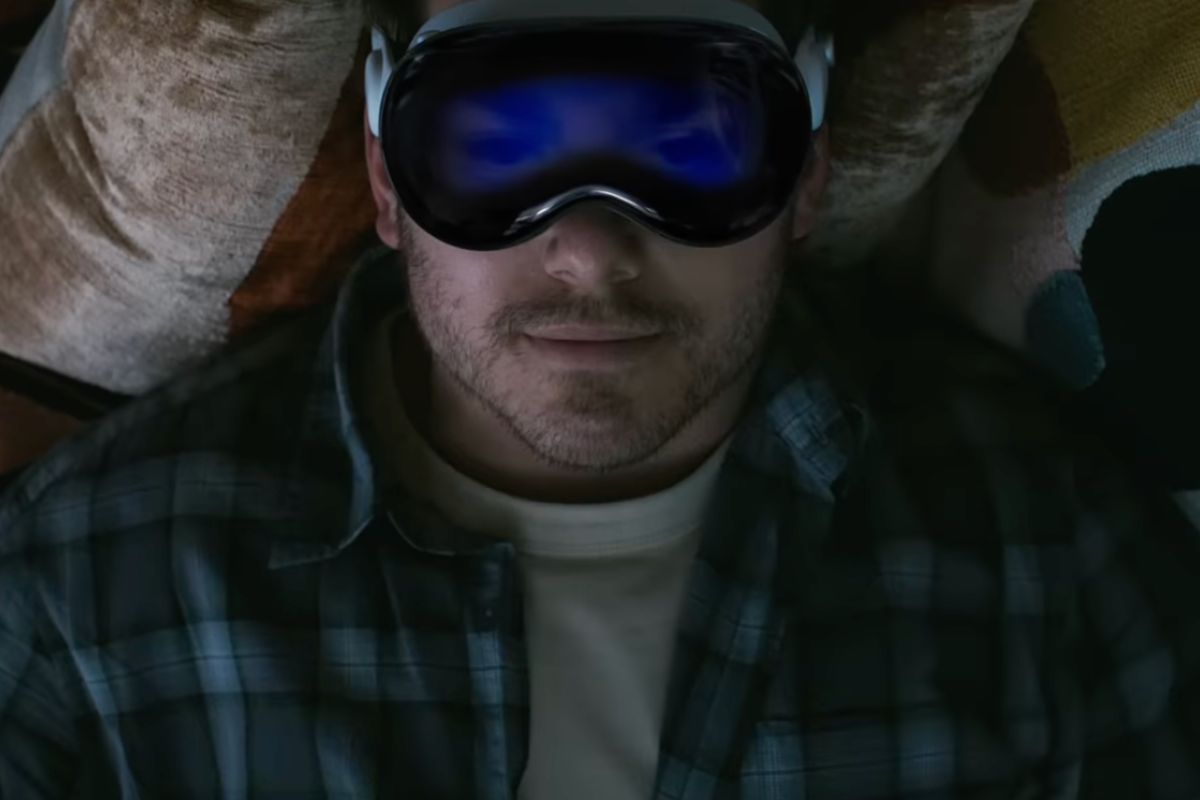
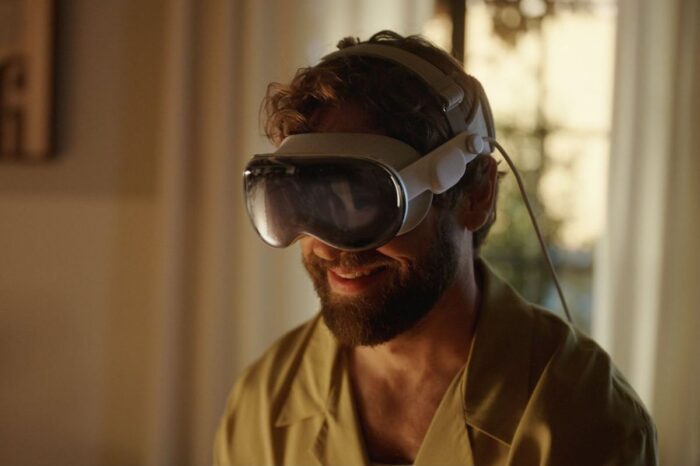
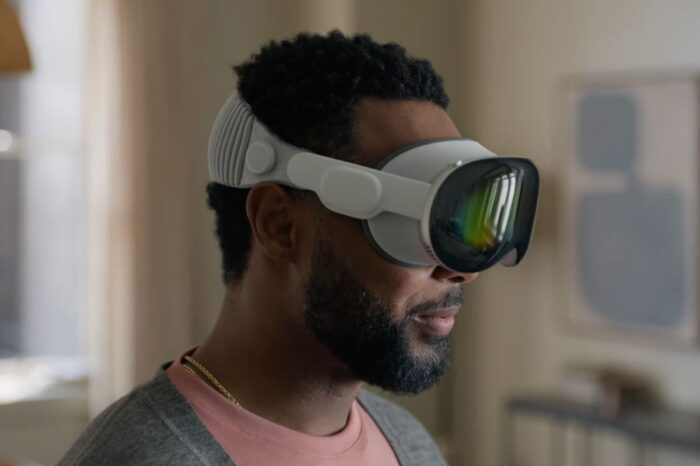
Apple’s plans for a completely redesigned Vision Pro are reportedly hanging in the balance as the company increasingly shifts its attention and resources toward smart glasses.
Bloomberg’s Mark Gurman describes the next-generation Vision Pro project as being on “life support,” raising the possibility that Apple’s planned overhaul of the headset could ultimately be canceled before it ever reaches customers.
The warning comes as Apple continues to experiment with several possible designs for a future Vision Pro, internally codenamed N224, but has yet to settle on what the product should become.
As The Apple Post reported this week, Apple is considering around four different approaches to the headset, including a design that could move some components into a separate external unit to reduce the amount of weight worn on the user’s head.
Other concepts reportedly involve lighter materials and significant changes to the construction of Vision Pro, as Apple attempts to address two of the biggest criticisms surrounding the product: weight and price.
But the existence of those prototypes doesn’t necessarily mean another Vision Pro will ship.
Apple’s priorities within its Vision Products Group have changed significantly. Engineers who had previously been working on other headset projects have reportedly been reassigned as Apple accelerates development of smart glasses, a category the company increasingly sees as having greater mainstream potential.
That shift has already affected Apple’s roadmap.
A separate lighter and cheaper headset, sometimes referred to as “Vision Air” and internally known as N100, was reportedly shelved as Apple redirected resources toward its glasses project.
N224 has survived for now, but Gurman’s description of the project as being on “life support” suggests its future is far from guaranteed.
The timing is also significant. Even if Apple decides to continue development, the redesigned Vision Pro is not currently expected to reach customers until late 2028 or early 2029.
By then, Apple’s wearable computing strategy could look considerably different.
The company’s first smart glasses are currently expected to arrive in late 2027. They are not expected to include displays, instead using cameras, microphones, speakers and Siri AI to let users interact with their surroundings while maintaining a form factor much closer to ordinary glasses.
Apple’s longer-term ambition is believed to be true augmented-reality glasses capable of placing digital information directly into the wearer’s field of view.
That vision has always been closely connected to the technology developed for Vision Pro, but the success of lighter smart glasses could make it harder to justify another expensive enclosed headset.
The original Vision Pro launched in the United States in February 2024 at $3,499. Apple refreshed the product with an M5 chip in 2025, but retained essentially the same design, weight and positioning.
Apple has continued investing in visionOS and spatial computing, so a decision to abandon N224 would not necessarily mean the end of the technology behind Vision Pro. Cameras, spatial interfaces, eye tracking, hand tracking and other technologies developed for the headset could ultimately feed into smaller wearable products.
That may increasingly be where Apple’s priorities lie.
For now, the company appears to be keeping its options open. Engineers are still exploring how a lighter and more practical Vision Pro could work, but the project is competing for attention with smart glasses that could reach a much larger audience.

Trending Now