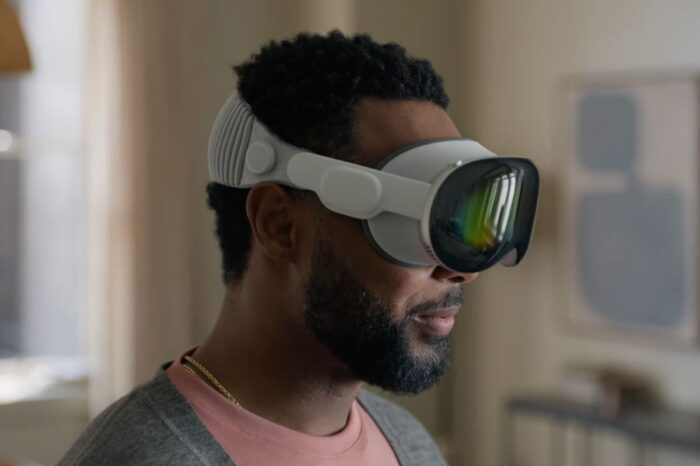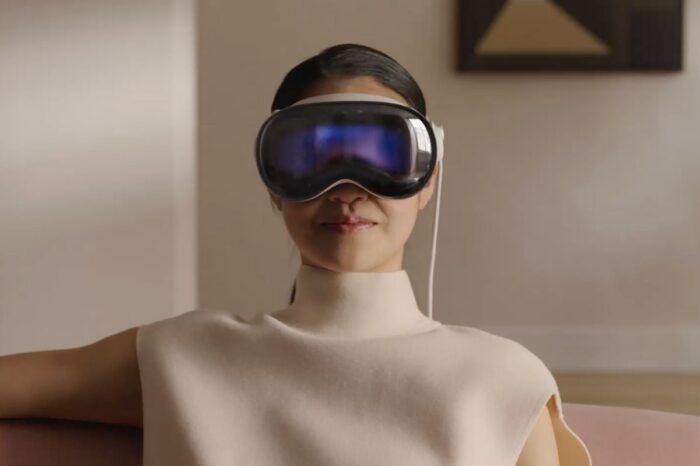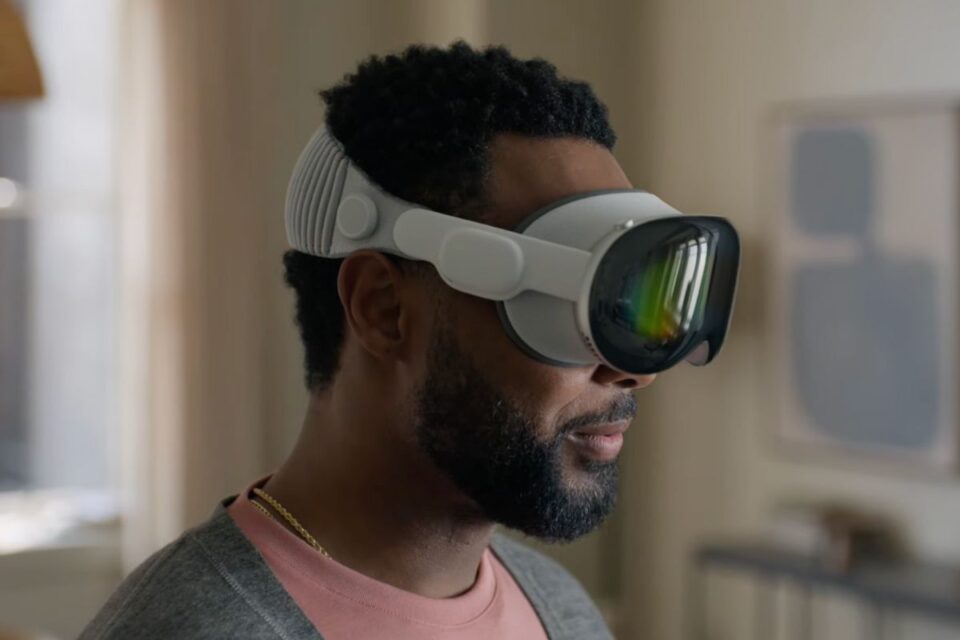
Apple is still working toward a slimmer and lighter successor to Vision Pro, despite shifting much of its attention toward smart glasses, according to Bloomberg’s Mark Gurman.
The company is said to be developing a future headset that addresses two of the biggest criticisms of Vision Pro: its weight and its $3,499 starting price.
Gurman has previously reported that Apple does not expect the new headset to arrive before late 2028 or 2029, suggesting anyone waiting for a significantly redesigned Vision Pro still has a considerable wait ahead.
The project is separate from the previously rumored “Vision Air,” a cheaper and lighter headset that Apple was said to have canceled as it reorganized its wearable-device roadmap.
Instead, the eventual Vision Pro successor is expected to rethink the existing headset with a slimmer and lighter design while bringing its cost down.
Exactly how Apple plans to achieve those reductions remains unclear. Vision Pro combines high-resolution displays, cameras, sensors, processors and an external battery, contributing to both its weight and its unusually high price compared with rival headsets.
Apple introduced the original Vision Pro in 2023 before launching it in the United States in February 2024 for $3,499. The company refreshed the headset in October 2025 with an M5 chip, but retained the fundamental design and pricing of the original model.
Reports of a lighter successor are particularly notable following Meta’s latest push into substantially lighter mixed-reality hardware. Meta this week introduced its $1,299 VR Glasses, a headset weighing around 100 grams and designed to resemble oversized glasses rather than a conventional VR headset.
Apple’s longer-term wearable strategy is increasingly focused on getting computing hardware into much smaller form factors.
Alongside the future Vision Pro-style headset, Apple is developing smart glasses centered around cameras, Siri and AI features. Those glasses are expected to arrive considerably sooner, with Bloomberg reporting that Apple is targeting a launch in late 2027.
The first-generation smart glasses are not expected to offer the full augmented-reality experience Apple ultimately wants to achieve. Instead, they are expected to work more like an iPhone accessory, using cameras, microphones and Siri to interact with the world around the wearer.
Apple’s longer-term goal remains true augmented-reality glasses capable of placing digital information over a user’s view of the real world, although that technology is not expected to be ready until later.
The changing roadmap means Vision Pro could remain Apple’s only enclosed spatial-computing headset for several more years.
For existing Vision Pro owners, Apple continues to develop visionOS and its broader spatial-computing platform. But when it comes to hardware, the next major step now appears to be focused less on simply making Vision Pro faster and more on solving the physical compromises that have limited the product’s appeal.