Apple could expand iPhone Duo into a family of foldable iPhones
 David Joseppi
Posted On 15/09/2026
David Joseppi
Posted On 15/09/2026 
Apple’s new iPhone Duo may eventually become an entire family of foldable iPhones, with future versions potentially including larger, smaller and more affordable models.
Writing in his latest Power On newsletter, Bloomberg’s Mark Gurman predicts that Apple will ultimately expand beyond a single iPhone Duo, much as Samsung has developed multiple variations of its foldable smartphone lineup.
Gurman suggests the Duo name gives Apple considerable flexibility. Possible future models could include an iPhone Duo Max with a larger display, while an iPhone Duo SE or iPhone Duo mini could potentially serve as a cheaper or clamshell-style alternative.
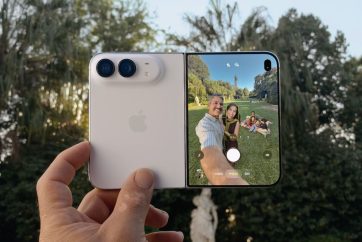
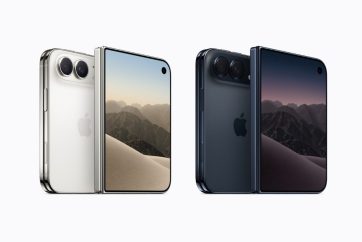
Apple introduced the iPhone Duo last week as its first foldable iPhone, giving the company a new flagship category alongside its conventional iPhone lineup. The Apple Post’s iPhone Duo guide covers the device’s folding design, displays, cameras, performance and iOS 27 features.
The first-generation model starts at $1,999 in the United States and sits at the very top of Apple’s smartphone range. That price is likely to limit the initial audience, but a broader family could eventually allow Apple to bring foldable hardware to more customers and different price points.
Gurman argues that foldable phones could eventually become the dominant form of smartphone, predicting that they may account for the majority of new phone sales within a decade. He expects Apple’s entry into the category to accelerate adoption across the industry, even though the transition is likely to take longer than the original shift from feature phones to smartphones because foldables remain expensive and involve hardware compromises.
Apple’s choice of the Duo name may prove particularly useful if that expansion happens. Gurman notes that an alternative such as “iPhone Ultra,” which had been widely rumored before launch, would have been harder to extend into models positioned at different sizes and price points. The Apple Post previously examined how the unexpected Duo name was one of the event’s biggest rumor surprises.
There are already obvious areas for future generations to improve. The first iPhone Duo uses Touch ID rather than Face ID and lacks a telephoto camera, compromises linked to the extremely thin foldable design. Apple instead integrated Touch ID into the device’s side button.
Gurman believes Face ID and a telephoto camera are likely to be among Apple’s priorities for future Duo generations, potentially becoming possible as components shrink and computational techniques improve.
For now, Apple has announced only one iPhone Duo. Pre-orders begin October 16 ahead of its October 23 release, meaning the market’s response to Apple’s first foldable will provide the first indication of just how large the Duo family could eventually become.